
Introduction to Digital Soil Testing Kits in Nepal
Soil health is the cornerstone of agricultural productivity, especially in a country like Nepal, where agriculture forms the backbone of the economy. Traditional soil testing methods, although valuable, often come with challenges such as long waiting times for results, the need for technical expertise, and the cost of laboratory-based analysis. To address these issues, digital soil testing kits have emerged as a game-changing technology, enabling farmers to quickly and accurately assess soil nutrients in the field.
What is a Digital Soil Testing Kit?
A digital soil testing kit is a portable, easy-to-use device that measures key soil nutrients—mainly nitrogen (N), phosphorus (P), and potassium (K)—in real time. Unlike traditional methods that require sending soil samples to a laboratory, digital soil testers provide immediate results, making them ideal for farmers who need quick data to make informed decisions about crop management.
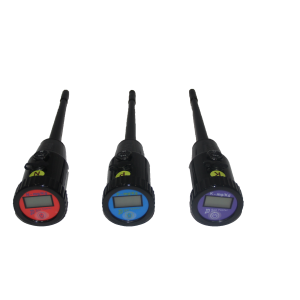
The ZD Instrument Digital Soil Test Kit, for instance, uses advanced sensors to measure the concentration of these essential nutrients in the soil in less than a minute. This technology has significant implications for agriculture in Nepal, where smallholder farmers can struggle with timely and accurate soil analysis.
Why is Digital Soil Testing Important for Nepali Agriculture?
1. Speed and Efficiency: In Nepal, many farmers face the problem of soil nutrient depletion due to improper or delayed use of fertilizers. Traditional soil testing methods can take weeks to return results, but with digital kits, results can be obtained in just 20 to 30 seconds. This quick feedback loop enables farmers to take immediate action on nutrient imbalances.
2. Cost-Effectiveness: While laboratory testing is expensive and often inaccessible, digital soil testing kits are relatively affordable, especially for farmers who cannot bear the high costs of conventional soil analysis. For a one-time investment, farmers can repeatedly test their soil, thus avoiding the recurring costs of sending samples to laboratories.
3. Improved Crop Management: By accurately measuring the levels of nitrogen, phosphorus, and potassium, digital soil testers help farmers optimize their use of fertilizers. This ensures that crops receive the right nutrients at the right time, resulting in better yields and healthier plants. Additionally, understanding soil health can help prevent over-fertilization, which can harm both the environment and the crops.
4. Sustainability in Agriculture: Digital soil testing kits also promote sustainable farming practices. Farmers can avoid using excessive chemical fertilizers, reducing the environmental footprint of their farming practices. By only applying the necessary amount of fertilizer, they can conserve resources and protect the soil ecosystem, which is vital for long-term agricultural productivity.
Benefits for Farmers in Nepal
1. User-Friendly: These kits are designed for simplicity, making them accessible even for farmers with minimal technical knowledge. The intuitive interface ensures that anyone can use the device effectively without the need for specialized training.
2. Portability: Digital soil test kits are lightweight and portable, enabling farmers to carry them into their fields, take soil samples, and get results on the spot. This flexibility is essential in rural areas of Nepal, where farmers may not have easy access to testing laboratories.
3. Accurate and Reliable: With innovative sensors and nanotechnology, these digital kits provide highly accurate readings, minimizing the chances of error that are common with manual soil testing methods.
Future Potential of Digital Soil Testing in Nepal
As agriculture in Nepal continues to modernize, digital soil testing kits have the potential to revolutionize farming practices. The widespread adoption of such technology could lead to more efficient farming, reduced costs, and higher yields. Moreover, when combined with other digital farming tools, such as weather forecasting and crop monitoring apps, digital soil testing can provide comprehensive insights into farm management.
By incorporating these tools into their daily operations, Nepali farmers can increase their productivity while contributing to the country’s goal of sustainable agricultural development. As the cost of these technologies decreases and awareness increases, it’s likely that digital soil testing will become an essential part of the toolkit for farmers across Nepal.
________________________________________
In conclusion, digital soil testing kits represent a significant advancement in agricultural technology. For Nepal, a country where agriculture is not only the mainstay of the economy but also crucial for the livelihoods of millions, the adoption of these innovative tools can lead to better soil health, increased crop yields, and a more sustainable agricultural future.
For more details, you can learn about the benefits of digital soil testing kits at Urvara Venture.