
How Digital Soil Testing Kits Improve Crop Yield in Nepal
In Nepal, agriculture is the backbone of the economy, with over 65% of the population engaged in farming. However, despite its significance, many Nepali farmers face challenges such as low productivity, soil degradation, and inefficient use of fertilizers. The introduction of digital soil testing kits offers an innovative solution to these problems, helping farmers optimize crop yield while maintaining sustainability.
Understanding the Importance of Soil Nutrients
Soil nutrients, particularly nitrogen (N), phosphorus (P), and potassium (K), play a crucial role in determining the health and productivity of crops. These three nutrients are often referred to as NPK, and each plays a vital role in plant growth:
• Nitrogen (N) helps in leaf and stem growth and contributes to the overall health of the plant.
• Phosphorus (P) is essential for root development, flower, and fruit production.
• Potassium (K) regulates several vital processes, including water absorption and disease resistance.
If these nutrients are not present in the right amounts, crop yield can be significantly reduced, leading to lower farm income and food insecurity. Unfortunately, many farmers rely on guesswork or outdated practices to manage soil health, often overapplying fertilizers or missing out on the nutrients their soil truly needs.
The Role of Digital Soil Testing Kits in Improving Crop Yield
Digital soil testing kits, such as the ZD Instrument Digital Soil Test Kit, have revolutionized how farmers assess and manage soil health. These kits provide farmers with quick, accurate, and actionable data on the nutrient levels in their soil. Here’s how they help improve crop yield:
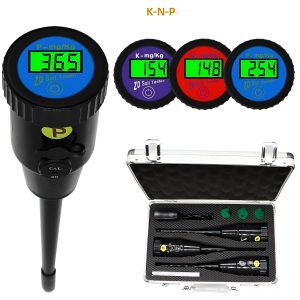
1. Quick and Accurate Nutrient Testing: Traditional soil testing methods can take weeks to provide results, but digital soil testing kits offer near-instant readings in just 20 to 30 seconds. This rapid feedback allows farmers to adjust their fertilization practices immediately, ensuring that their crops get the right nutrients at the right time. With high accuracy and precision, farmers can identify deficiencies or excesses in nutrients, making nutrient management much more efficient.
2. Optimized Fertilizer Use: The accurate data from digital soil testing kits helps farmers avoid the overuse of fertilizers, a common issue in traditional farming practices. Over-fertilizing not only wastes money but can also harm the environment by leading to nutrient runoff, which pollutes nearby water bodies. By using digital soil testers, farmers can apply fertilizers in the exact quantities required for optimal growth, which not only improves crop yields but also reduces environmental impact.
3. Better Decision-Making: With real-time data on soil health, farmers can make more informed decisions about what crops to grow, when to plant them, and how to manage their fields. For instance, if a soil test reveals low phosphorus levels, a farmer can add phosphorus-rich fertilizers to enhance root growth, leading to better crop establishment and stronger plants.
4. Enhanced Sustainability: By improving nutrient management, digital soil testing kits contribute to more sustainable farming practices. Farmers can avoid wasting resources and reduce the environmental footprint of their farming activities. Additionally, by preventing nutrient imbalances, these kits help preserve soil health in the long term, promoting the sustainability of agricultural practices in Nepal.
5. Access to Technology in Rural Areas: One of the biggest advantages of digital soil testing kits is their portability. Unlike traditional laboratory tests, which may require long travel distances or waiting for results, digital kits can be used directly in the field. This is particularly beneficial for farmers in remote areas of Nepal, where access to agricultural services and soil testing facilities can be limited.
Case Studies: Impact on Nepali Farmers
Several case studies in Nepal have shown the positive impact of digital soil testing kits on farm productivity. For example, farmers in the hills and Terai regions have reported a marked improvement in crop yield after using digital soil testers to fine-tune their fertilization practices. By identifying nutrient deficiencies early, farmers were able to make timely adjustments to their crop management strategies, resulting in healthier crops and higher yields.
The Future of Digital Soil Testing in Nepal
As the agricultural sector in Nepal continues to evolve, the adoption of digital soil testing kits is likely to increase. With the government’s focus on modernizing agriculture and improving food security, these technologies hold the potential to significantly enhance farm productivity across the country. The ease of use, affordability, and portability of digital soil testers make them an essential tool for the future of farming in Nepal.
Conclusion
Digital soil testing kits represent a key technological advancement that can help Nepali farmers improve crop yield and optimize resource use. With their ability to quickly measure essential nutrients and provide accurate, real-time data, these kits empower farmers to make informed decisions that lead to better soil health, higher productivity, and more sustainable farming practices. By integrating these tools into daily farming operations, Nepal’s agricultural sector can move towards a more efficient and sustainable future.
________________________________________
For more information about digital soil testing kits and their benefits for Nepali agriculture, visit Urvara Venture.